28 September 2026
How Oral Surgeons Handle Wisdom Teeth Removal in Oxnard CA
Presented by @sethriej603
Wisdom teeth removal is one of those procedures people often hear about long before they actually need it. A teenager comes home swollen after surgery, a college student schedules it over winter break, or a parent is told that a child’s back molars are pushing sideways under the gums. By the time patients walk into an oral surgeon’s office, they usually have a mix of questions and assumptions, some accurate, some not.
In Oxnard, oral surgeons approach wisdom teeth removal with a level of planning that is far more precise than the casual phrase “getting your wisdom teeth out” suggests. The process is not simply about pulling teeth. It involves evaluating jaw space, studying root position, assessing sinus and nerve anatomy, choosing the right anesthesia approach, managing the extraction carefully, and guiding recovery so the patient heals without avoidable setbacks.
That attention to detail matters because wisdom teeth vary tremendously. Some erupt straight and function without trouble. Others sit trapped under bone, crowd nearby teeth, inflame the gums, or create pockets that are hard to keep clean. Two patients can be the same age and have completely different surgical plans.
Why wisdom teeth become a problem
Wisdom teeth, also called third molars, are the last permanent teeth to develop and usually appear in the late teens or early twenties. The trouble begins when the jaw does not have enough room for them to erupt in a healthy position. In that case, the teeth may emerge partially, stay completely buried under bone, or angle into the second molars.
A partially erupted wisdom tooth is especially troublesome in practice. Food and bacteria collect under the flap of gum tissue covering part of the crown. Patients often describe a bad taste, tenderness in the back of the jaw, or repeated swelling that seems to come and go. That pattern is common. The area calms down with rinses or antibiotics, then flares up again because the underlying problem remains.
Impacted wisdom teeth can also put pressure on adjacent teeth, contribute to decay where a toothbrush cannot reach well, or lead to cyst formation in uncommon cases. Not every impacted tooth will create major disease, but oral surgeons do not wait for obvious damage before evaluating the risk. A lot of the judgment lies in deciding when early removal is easier and safer than delayed treatment.
In a place like Oxnard, where families often coordinate care around school schedules, work demands, and insurance timing, those decisions are practical as well as clinical. An oral surgeon looks not just at what the teeth are doing today, but what they are likely to do in the next few years.
The first visit is more important than most patients expect
A proper consultation sets the tone for the whole experience. During an exam for Wisdom Teeth Removal Oxnard CA patients typically undergo a clinical assessment and imaging review. The surgeon wants to know whether the teeth are erupted, partially erupted, or fully impacted. They also want to know how close the roots are to the inferior alveolar nerve in the lower jaw and whether upper wisdom teeth sit near the maxillary sinus.
This is where experience shows. A good oral surgeon is not simply identifying that the teeth should come out. They are mapping out how difficult the removal is likely to be, whether all four should be removed at once, what type of sedation makes sense, and whether the patient has any medical factors that could affect healing.
Age matters. A healthy 17 year old with roots that are not fully formed often heals faster and has a smoother recovery than a 35 year https://finnypyk534.focalledger.com/posts/understanding-impacted-molars-and-wisdom-teeth-removal-in-oxnard-ca old with dense bone and fully developed roots. That does not mean adults should avoid surgery. It means the conversation should be honest. Recovery can be more involved when the teeth have been in place longer and the bone is less forgiving.
The consultation is also the time to talk through medications, prior anesthesia history, jaw stiffness, anxiety, braces, and any active symptoms. Someone who clenches heavily at night may feel more post operative soreness. Someone with repeated gum infections around lower wisdom teeth may need treatment sooner rather than later. A patient with significant dental anxiety may do better with deeper sedation than local anesthesia alone.
Imaging guides almost every surgical decision
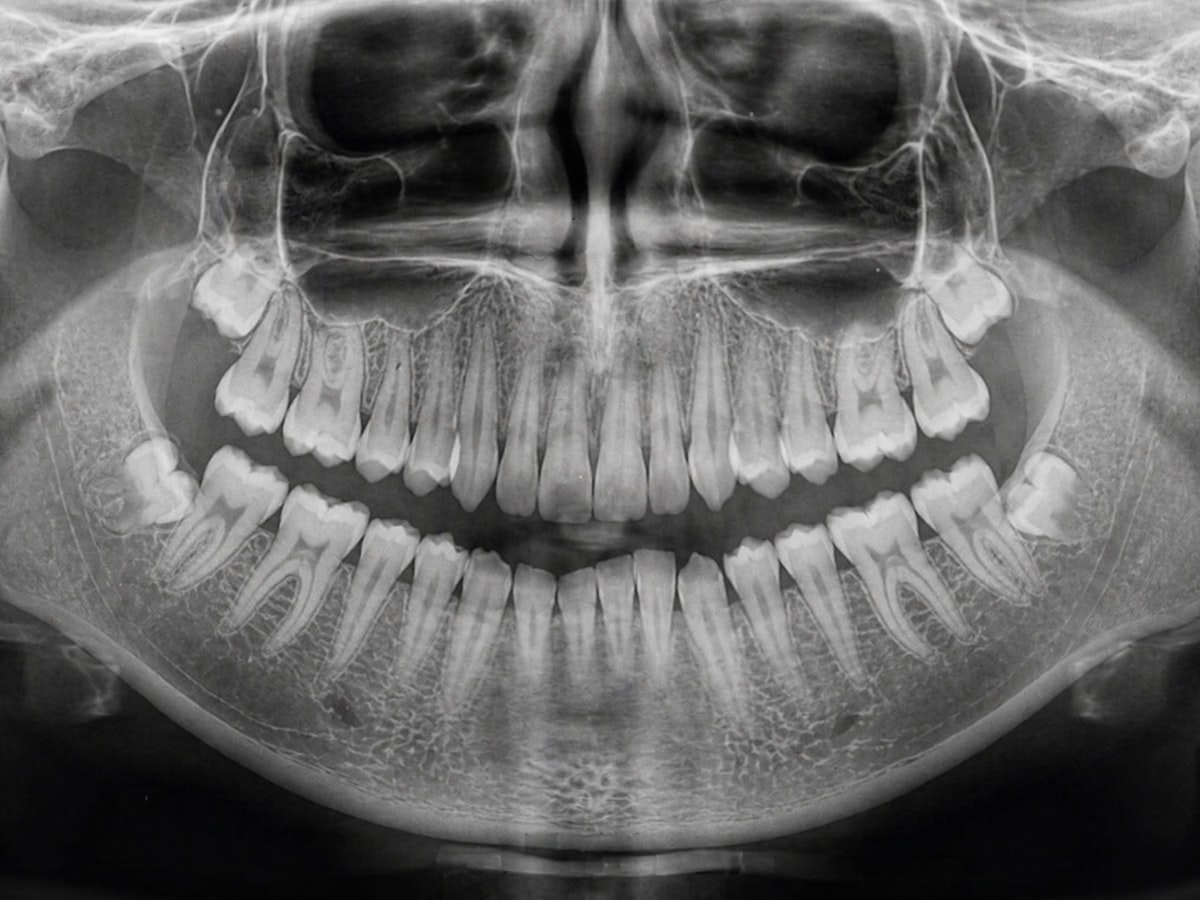
Panoramic X rays are standard for wisdom tooth evaluation, and in some cases a 3D cone beam scan is warranted. This is not done just for high tech appeal. It is about seeing anatomy clearly enough to plan a safe and efficient surgery.
Lower wisdom teeth are often the biggest concern because of their relationship to the mandibular nerve. If roots appear very close to that nerve, the surgeon may discuss a modified approach or explain the small but real possibility of temporary numbness after surgery. Most patients recover normally, but glossing over nerve anatomy would be careless.
Upper wisdom teeth raise different concerns. Their roots may extend toward the sinus, and removing them requires careful technique to avoid creating a communication between the mouth and sinus. Again, this is not common in routine cases, but knowing the anatomy in advance shapes how the surgeon works.
Patients sometimes assume imaging is just a box to check. In reality, much of the skill in oral surgery starts before the first instrument is picked up. Reading the case well is what prevents surprises.
Deciding when removal makes sense
One of the more nuanced parts of wisdom tooth care is timing. Not every third molar has to be removed immediately. Oral surgeons balance current symptoms, future risk, age, and overall complexity.
There are common signs that usually justify a closer evaluation:
- repeated swelling or infection around the back molars
- pain when chewing or opening wide
- food trapping and persistent bad taste near a partially erupted tooth
- decay affecting the wisdom tooth or the neighboring second molar
- orthodontic or space concerns identified by the dentist or orthodontist
That does not mean every symptom points directly to the wisdom teeth. Jaw pain can also come from clenching, TMJ issues, or gum problems elsewhere. A careful exam separates coincidence from cause. It is not unusual for a patient to blame the wisdom teeth for every back jaw sensation, only to learn that one side is actually fine and the other is the problem.
On the other hand, waiting too long can make surgery more difficult. I have seen many cases where a patient was advised to monitor the teeth in late adolescence, then returned years later after repeated infections or decay had already affected the second molars. At that point, what could have been a straightforward extraction turned into a more complicated procedure with a longer recovery.
How oral surgeons prepare for the procedure
Preparation is tailored to the patient, not copied from a generic handout. The basics are familiar, but the reasoning behind them matters.
If sedation is planned, patients are usually asked not to eat or drink for a set period beforehand. The office reviews transportation requirements because a sedated patient cannot drive home safely. Medication instructions are clarified in advance, especially for patients who take blood pressure medicines, blood thinners, or diabetes medications.
The surgeon and team also decide how to stage the procedure. In many cases, all four wisdom teeth are removed in one visit. That is efficient and spares the patient multiple recovery periods. But there are exceptions. A patient with one clearly diseased lower wisdom tooth and two harmless upper teeth might not need the same plan as someone with four impacted teeth causing foreseeable problems.
Good offices do not rush this part. The calm, organized feeling before surgery often predicts a smoother experience overall.
What happens on the day of surgery
Most wisdom teeth procedures performed by oral surgeons are done in the office. Depending on the case and the patient’s preference, anesthesia may range from local numbing alone to IV sedation. Many patients choose sedation because it reduces anxiety and makes the experience feel much shorter. Others do well with local anesthesia, especially when the teeth are erupted and easy to access.
After the patient is settled and monitored, the surgeon numbs the area thoroughly. That step matters even when sedation is used. Sedation helps with awareness and comfort, but local anesthesia is what blocks pain signals from the surgical site.
If the wisdom tooth is fully erupted and accessible, removal can be relatively direct. The surgeon loosens the tooth and extracts it with controlled pressure. Impacted teeth require more involved steps. A small incision is made in the gum, bone may be carefully removed to expose the tooth, and the tooth is often sectioned into smaller pieces. Breaking a deeply impacted molar into parts is not a sign of trouble. It is often the gentlest and most conservative way to remove it while preserving surrounding bone and reducing force on the jaw.
This is where oral surgeons differ from general expectations. Patients often imagine extraction as a brute force event. In reality, difficult wisdom tooth surgery is typically about precision, visibility, and patience. The surgeon creates access, protects nearby structures, and removes the tooth in a controlled way. Once the site is cleaned, stitches may be placed, often dissolvable ones.
The actual time varies. Some four tooth cases are done surprisingly quickly. Others take longer because roots are curved, bone is dense, or the impaction angle is awkward. Speed is less important than clean execution. The best surgeries are not necessarily the fastest, they are the ones that heal predictably.
Surgical judgment matters more than patients realize
A large part of oral surgery is knowing when not to force the idealized textbook approach. For example, if a lower wisdom tooth sits intimately against the nerve, some surgeons may discuss coronectomy in select situations, meaning the crown is removed while roots are intentionally left behind. That is not the standard for routine cases, but it illustrates how individualized the field can be.
Similarly, a patient with active infection may need a slightly different sequence of care than someone having elective removal before symptoms begin. Swollen tissue is harder to anesthetize well, harder to retract, and often more uncomfortable after surgery. Sometimes the right answer is to calm an infection first and operate once the tissues are in better condition. Sometimes the source of infection is severe enough that prompt removal is still appropriate. That is clinical judgment, not a one size fits all rule.
There is also the matter of age and root development. Removing wisdom teeth before roots fully mature can simplify surgery. But that does not mean younger is always automatically better. If there is no clear reason to remove a tooth yet and the anatomy is still developing, some surgeons prefer observation with periodic imaging. The decision should match the patient, not the calendar.
What recovery usually looks like
The first 72 hours set the tone for healing. Swelling is common, especially after lower impacted wisdom teeth are removed. Soreness, limited mouth opening, and mild oozing are all expected. What patients often underestimate is how much better they feel when they respect the recovery period instead of trying to power through it.
Most oral surgeons give practical guidance that sounds simple but makes a real difference:
- use ice early, especially during the first day
- stay ahead of pain with prescribed or recommended medications
- keep the mouth clean with gentle rinsing when instructed
- choose soft foods and good hydration over anything crunchy or spicy
- avoid smoking, straws, and vigorous spitting while the blood clot stabilizes
The reason for these instructions is straightforward. The extraction site heals by forming a protective clot. If that clot is disrupted, particularly in the lower jaw, the patient can develop dry socket. Dry socket is not an infection, though patients often describe it that way. It is an exposed, inflamed socket that causes deep, throbbing pain several days after surgery. It is one of the most common complications following wisdom teeth removal, and while it can usually be managed effectively, prevention is much easier than treatment.
Diet also plays a larger role than people think. Patients do best with foods that are soft, filling, and easy to manage without much chewing. Yogurt, eggs, smoothies eaten with a spoon, soups that are not too hot, oatmeal, mashed potatoes, and soft pasta are typical choices. Tiny hard particles, such as chips or seeded foods, can be miserable if they lodge in the healing sockets.
Swelling often peaks around day two or three, then gradually improves. Bruising can happen, especially in fair skinned patients or after more extensive lower extractions. Limited opening may persist for several days because the jaw muscles become inflamed from holding the mouth open during surgery and from the procedure itself. That can feel alarming if a patient was expecting to bounce back in 24 hours, but it is usually part of a normal course.
When healing is routine, and when it is not
Most patients heal without incident, but oral surgeons pay close attention to a few warning signs. A low grade fever or mild nausea on the day of surgery may be related to stress, swallowed blood, or medications. Persistent high fever, increasing swelling after the third day, foul drainage, or severe pain that worsens rather than improves deserves a call to the office.
Numbness is another issue patients ask about, particularly after lower wisdom tooth removal. Temporary tingling or altered sensation can happen when the surgical site is close to a nerve. In many cases, if sensation changes occur, they improve gradually over weeks or months. Permanent changes are uncommon, but the risk is important enough that experienced surgeons discuss it when the imaging suggests proximity.
Sinus symptoms can occasionally follow upper wisdom tooth extraction. A feeling of pressure or a small amount of blood tinged drainage from the nose may occur. More significant sinus communication is less common, but surgeons look for it and manage it promptly when it happens. This is one reason specialist care can be valuable in anatomically difficult cases.
Patients sometimes worry that visible holes where the teeth were removed mean something is wrong. Usually, it simply means the socket is still remodeling. Gum tissue closes faster than bone fills in underneath. That gap can remain noticeable for a while even when healing is progressing exactly as expected.
Why specialist care can make the process smoother
General dentists remove many teeth well, including some wisdom teeth. But oral surgeons focus specifically on surgical extractions, sedation, impacted teeth, and management of complications. For straightforward erupted third molars, either setting may be appropriate. For deeply impacted teeth, nerve concerns, severe anxiety, difficult root anatomy, or combined facial and jaw considerations, oral surgery brings an added layer of training.
That difference is not just technical. It affects workflow, anesthesia monitoring, instrument selection, and post operative support. Offices that handle wisdom teeth every day usually have a rhythm to the process. The team knows what questions patients forget to ask. They know which medications commonly upset the stomach, how to coach a nervous teen through IV placement, and what kind of swelling is normal on a Saturday follow up phone call.
For families seeking Wisdom Teeth Removal Oxnard CA care, that experience often translates into confidence. The procedure is common, but the patient only goes through it once or twice in a lifetime. They benefit from a team that has seen every variation, from the easy fully erupted upper molar to the deeply buried lower tooth hooked around a nerve canal.
The local Oxnard context matters too
Treatment planning in Oxnard often reflects practical realities of the community. Students may schedule surgery during school breaks. Agricultural and physical labor workers may need guidance on how long to stay off strenuous activity. Families with multiple children may try to coordinate care around transportation and work shifts. Those details are not trivial. A recovery plan only works if it fits the patient’s actual life.
Climate and routine habits play a role as well. Hydration matters more than people think, especially when patients are taking pain medication and eating less than usual. Patients who spend a lot of time outdoors or return too quickly to physically demanding work can see swelling worsen. Oral surgeons who understand the local patient population tend to give more useful advice because they know what recovery looks like outside the office.
Questions patients should feel comfortable asking
The most productive consultations usually involve direct, practical questions. Patients should understand whether the teeth are impacted, whether all of them need removal, what kind of anesthesia is recommended, how many days of downtime to expect, and what warning signs would merit a call after surgery.
Cost and insurance are also fair topics. Oral surgery offices handle those conversations often, and clear expectations reduce stress. If a treatment coordinator cannot yet give an exact number, they should at least explain the factors that affect it, such as imaging, anesthesia level, and number of teeth involved.
It is also reasonable to ask why the surgeon recommends removal now instead of later. Good answers are specific. “Because they are impacted and infected twice this year” is meaningful. “Because everyone gets them out” is not. Surgical decisions should rest on anatomy, symptoms, and risk, not habit alone.
What a well managed wisdom tooth case looks like
When wisdom teeth removal is handled well, the whole process feels organized. The diagnosis is clear. Imaging supports the plan. Risks are explained without drama. The surgery is efficient and measured. Recovery instructions are realistic, not vague. If the patient has a question afterward, someone responds promptly.
That is how oral surgeons typically handle wisdom teeth removal in Oxnard, with planning first, surgery second, and recovery support all the way through. The procedure may be routine in the broad sense, but every mouth presents its own anatomy and every patient brings their own concerns. The best care accounts for both.
Oxnard Dentistry
1730 E Gonzales Rd
Oxnard, CA 93036, United States
Phone: +1 805-307-8731
FAQ About Wisdom Teeth Removal Oxnard CA
How much does it cost to get wisdom teeth removed in California?
Fees depend on tooth position, the number of extractions, imaging and anesthesia. Oxnard Dentistry can provide an individual estimate after examining your teeth. Ask for an itemized plan and confirm insurance benefits before scheduling.
Will insurance cover wisdom teeth removal?
Coverage and out-of-pocket costs vary by policy and the treatment required. Ask the dental office and your insurer to verify benefits, annual limits and any authorization requirements. A benefit estimate does not guarantee payment.
Is 30 too old to have wisdom teeth removed?
Age alone does not determine whether extraction is appropriate. A dentist evaluates symptoms, tooth position, oral health and medical history. Healthy, functional wisdom teeth may be monitored; teeth causing disease or other problems may need treatment.